Rethinking Creativity in the Age of AI Art Tools
 Lyonne Zhu December 09, 2025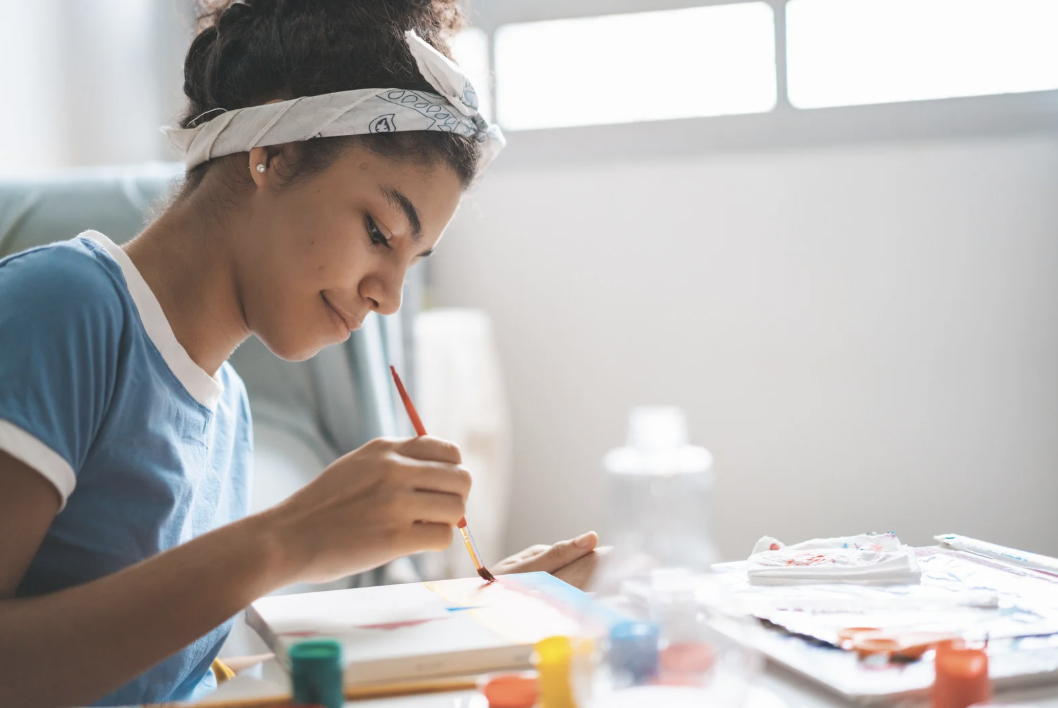
AI art tools are changing how children learn to create. They can turn rough sketches into polished images in seconds, helping kids visualize ideas they cannot yet draw and boosting confidence. However, relying too heavily on these tools can weaken core artistic skills like observation, technique, and hands-on problem solving. The role of the student can shift from maker to director, which can be positive if schools intentionally teach authorship, critique, and creative decision making.
To use these tools well in education, we need clear guidance. Students should learn how AI models work, where they might be biased, and how to compare their own intent with the final output. Schools should balance AI creation with time for traditional art so children develop motor skills, spatial reasoning, and persistence.
With proper policy, training, and equitable access, AI can expand creative opportunities for all children rather than replace or narrow them. Read the full report to learn more.