Beyond “Just One More Game”: Building Healthier Digital Play Through Shared Responsibilities
 Damian Ngiam September 08, 2026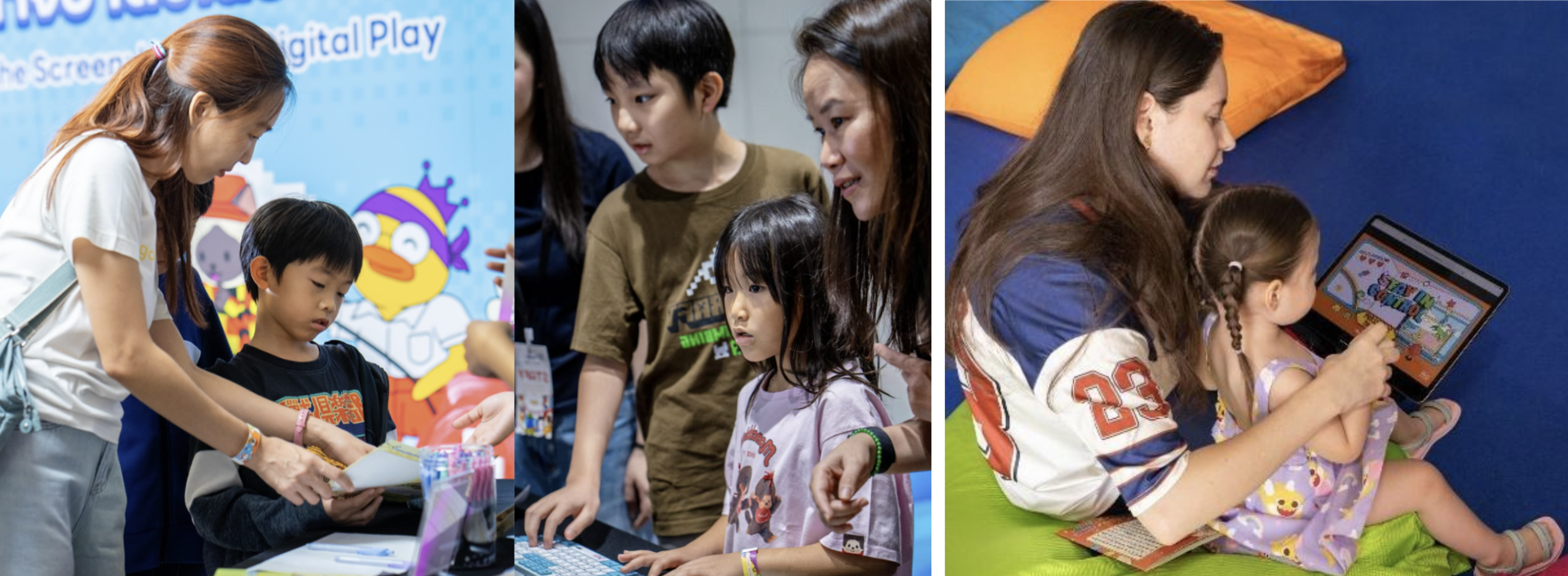
What if the key to healthy gaming isn’t stricter screen-time limits, but open conversations and a supportive community that empower positive digital play?
Bedtime is approaching.
A child is curled up on the couch, eyes fixed on a game.
“Time to get ready for bed,” his mother reminds him.
“My friends are waiting for one more game!”
“Can’t they wait until tomorrow?”
“Ma, you don’t understand.”
The conversation ends almost as quickly as it begins.
She feels ignored. He feels misunderstood.
Building Connections Through Healthy Gaming
Somewhere between the reminders to put devices away lies an opportunity to better understand what digital play means.
To a parent, gaming can look like more screen time. To a child, it’s a place to connect with friends and feel a sense of belonging. Healthy gaming begins when families can bridge those different perspectives through open and meaningful conversations. As digital experiences become a bigger part of everyday life, many parents may feel pressured to keep up with an ever-changing online world. New games, platforms and trends emerge so quickly that many parents struggle to know where to start.
The reality is that families should not be expected to navigate this landscape alone.
Parents benefit from having a strong support system as they help their children develop healthy gaming habits and navigate an evolving digital world.
When Communities Join the Conversation

Like many parents around the world, parents in Singapore often see gaming as a source of entertainment and social connection, but also something that requires guidance and balance. This makes practical, family-centred support especially important.
In Singapore, the national Digital for Life movement brings together community organisations and public-sector partners to promote digital inclusion. As part of the movement, the annual Digital for Life Festival engages families through interactive activities and workshops centered on digital literacy, online safety, and wellbeing. In support of this vision, Tencent and its local partners demonstrated how gaming can strengthen family connections at the Digital for Life Festival 2025, sharing how parents can guide their children on staying safe online, and encouraging families to see gaming as more than just screen time.
Since 2022, Tencent has supported healthy gaming initiatives under this broader community effort, working alongside local partners such as COMEBACK Singapore, a social enterprise focused on youth digital wellness and EYEYAH!, a local creative studio that turns tricky topics into content that kids can engage with. The goal is simple: equip families with practical resources to navigate the digital world together.
This commitment extends beyond younger children. Tencent is also co-creating a youth digital wellness handbook with Cyberlite, an education agency specialising in online safety, to equip teenagers with practical guidance on building positive digital habits.
Eventually, the question will shift. It will no longer be “how much are they playing” but “why they play”.
Turning Gaming into a Conversation Starter
“How much longer?” rarely goes well.
But asking your kid to teach you the game, or working through a few questions together, usually does.
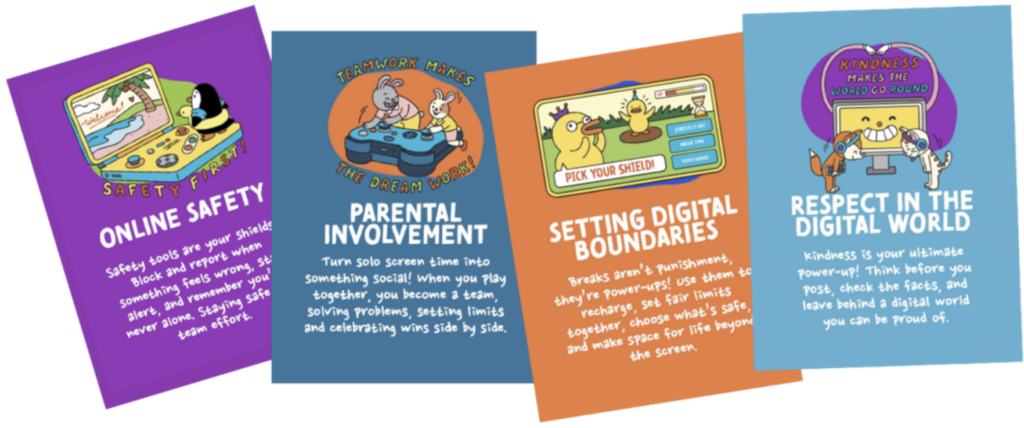
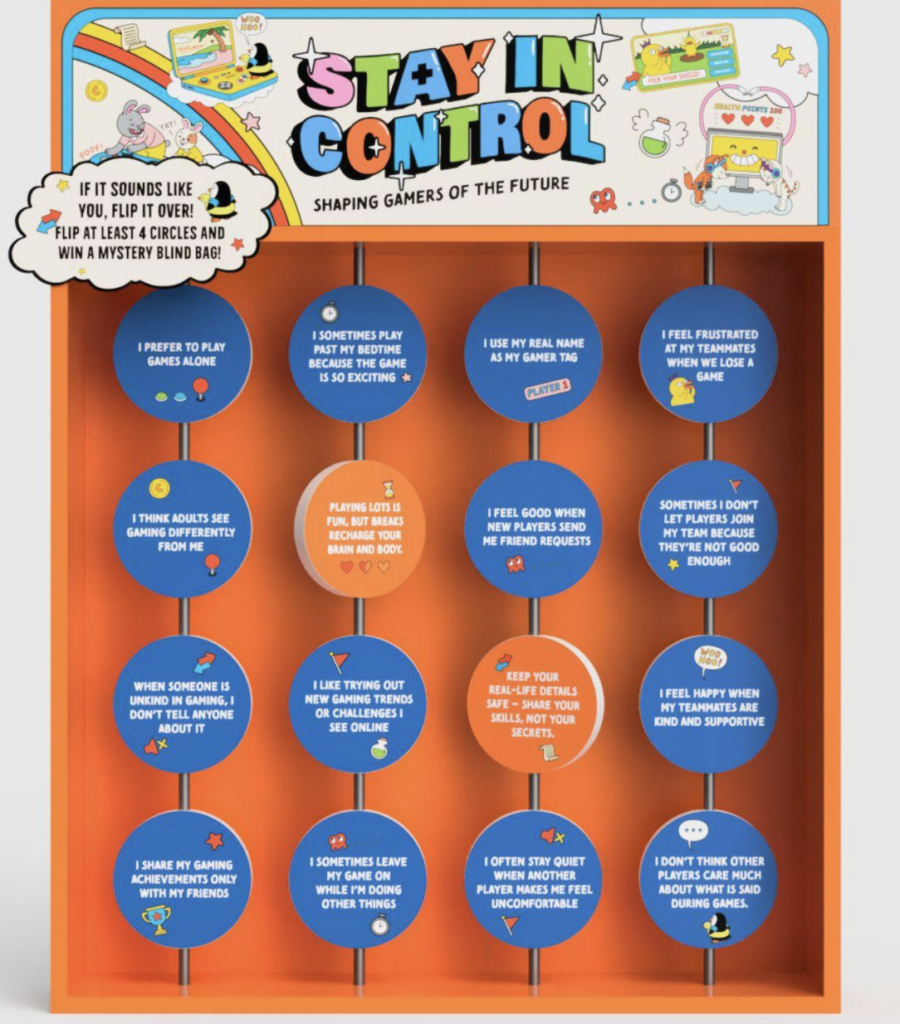
That’s what healthy gaming initiatives come down to. They provide small, easy ways for families to talk about screen time without it turning into a standoff. Use conversation cards that families can flip through together, quizzes and activities that the whole family can participate in, and workshops where parents and kids sit on the same side of the table.
[Image Credit: Tencent]
That’s the thinking behind initiatives like the “Healthy Gaming Conversation Cards” and “Stay in Control Flip Board”, first introduced through Beyond the Screen: Healthy Digital Play in Singapore in collaboration with IMDA during the Digital for Life Festival 2025. Designed to encourage meaningful conversations around digital wellbeing, the initiatives featured quizzes, workshops, and family activities covering online safety and boundaries.
What began in Singapore as a regional campaign has continued across Southeast Asia, with the Thailand edition recently completed. By adapting the programme to local communities, each implementation contributes new insights that help strengthen more locally relevant approaches to digital wellbeing.
The point is to make conversations less of a battle.
Three Lessons for Families Everywhere
While every community has different needs, regional experiences offer several lessons that can be adapted anywhere.
- Lead with curiosity, not assumptions.
- Children are more likely to open up when adults seek to understand before they judge.
- Build bridges, not barriers.
- Families benefit when communities, educators, industry and parents work together to support healthy digital habits.
- Measure connection, not just screen time.
- Meaningful conversations can sometimes have a greater impact than another rule.
Looking Beyond the Screen
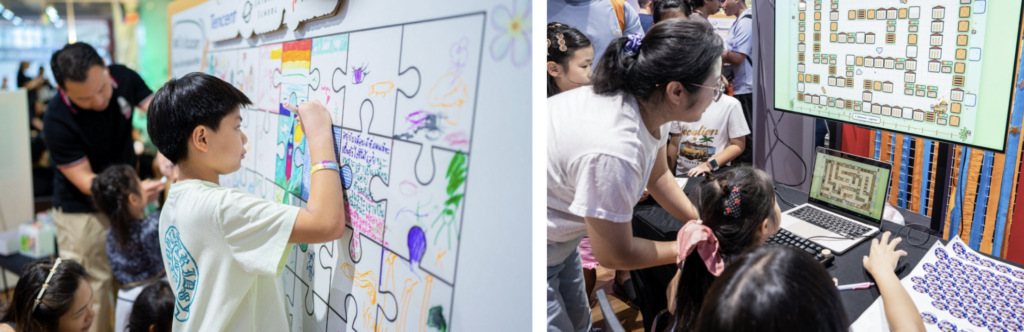
Digital wellbeing means helping children develop the judgment to make good choices and ensuring they have trusted adults to turn to when they need guidance.
A stronger connection between parents and children is what matters most.
Sometimes, that connection begins with replacing “Put your phone away” with a much more powerful question:
“Tell me about your game.”
Ready to Start the Conversation?
Healthy gaming starts with small moments of curiosity and connection. Whether it’s asking about a favourite game, exploring digital experiences together, or setting boundaries as a family, these everyday interactions can help children build healthier digital habits.
What matters is creating a safe and open environment where children feel comfortable sharing their digital experiences.
Learn more: https://www.tencent.com/en-us/articles/2202322.html