FOSI 2026 European Forum: Youth Voices | Lenaëlle on the Rise of Manosphere Content Online
 Lenaëlle K. August 05, 2026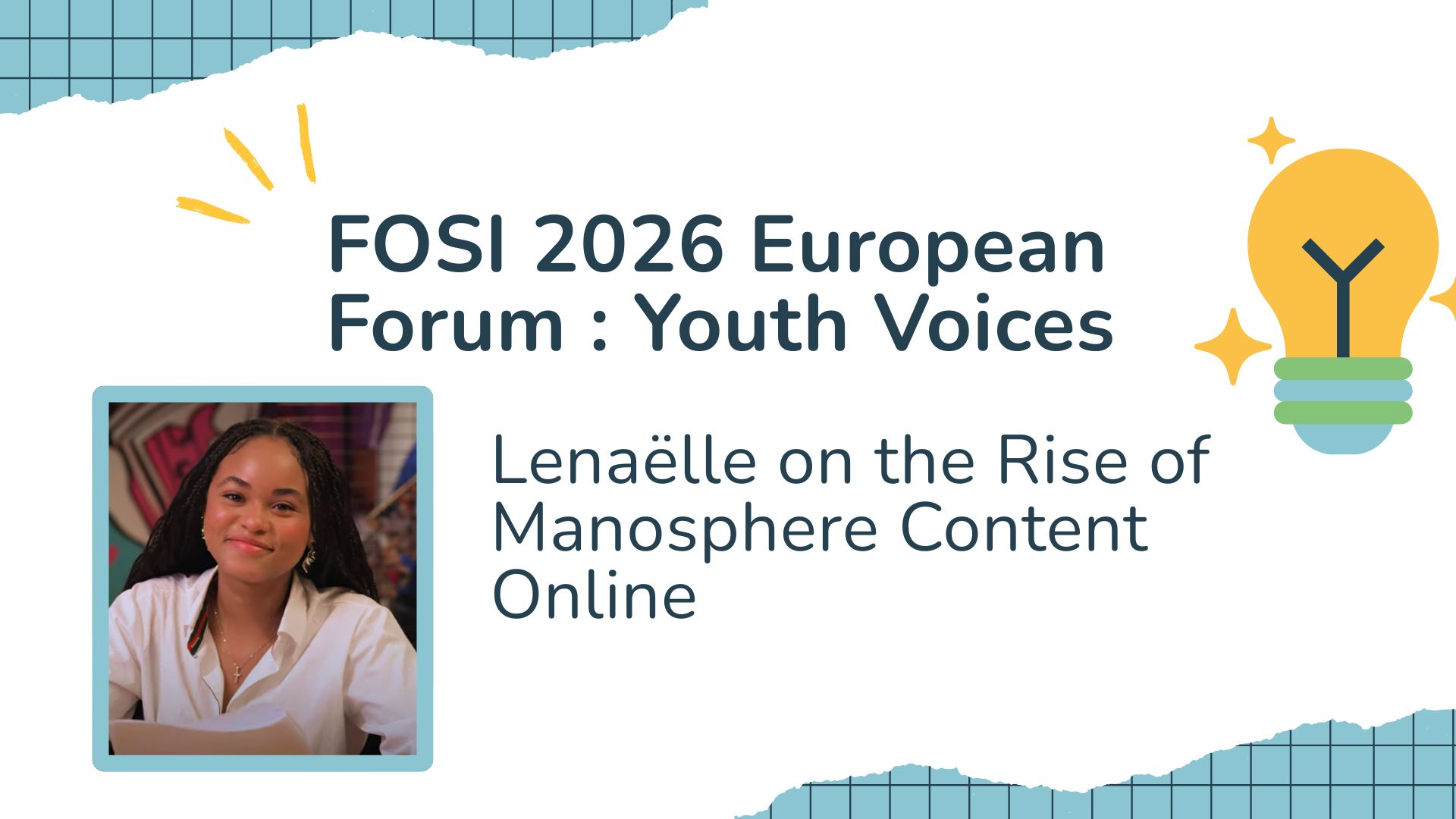
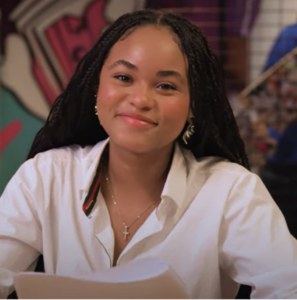
During FOSI’s 2026 European Forum, Lenaëlle joined fellow youth representatives from Child Focus to share her perspective on the growing influence of toxic manosphere content on social media and its impact on young people. Her remarks are shared below.
“Dear members present here today at the FOSI European Forum 2026,
First of all, I would like to thank Child Focus for this incredible opportunity to speak on behalf of my generation and to learn from all of you here today. I am Lenaëlle Kabeya Mbotta Kanyinda and there is an important issue I would like to address , one that is becoming increasingly visible and influential among young people online.
I am talking about the spread of toxic manosphere content on social media.
This includes videos, podcasts, and online personalities promoting ideas such as: “A man should always earn more than his partner,” or “If you don’t train at least 10 times a week, you are not a real man.” This kind of content is spreading rapidly on platforms such as TikTok, YouTube, and Instagram, often through major influencers who present one narrow image of success: becoming an “alpha male” with money, physical perfection, and women as symbols of status.
At first glance, this content may seem harmless because it promotes discipline and self-improvement. But that is often, exactly, how young people are drawn into more extreme messages.
But, the problem begins when these messages become extreme.
They create unrealistic expectations for both boys and girls. They suggest that a person’s worth is measured by appearance, money, dominance, or control. When those young people do not recognize themselves in that ideal, they can begin to feel insecure, frustrated, and as though they are somehow failing.
Even more concerning, this type of content often fuels sexism and homophobia. It teaches young people that showing emotion is weakness, that women are inferior, and that anyone who does not fit a narrow image of masculinity should be mocked or rejected.
These messages spread hate, exclusion, and fear. They influence how young people think, how they treat each other, and how they build relationships in real life. I know this because I have seen it personally. My younger brother came across this type of content online. That made me realize how easily these harmful ideas can reach young people often before they are old enough to question what they are seeing.
That is why I am here today.
We, the youth, are navigating a digital world that was created by generations before us. But right now, it is shaping us in ways that we cannot control alone.
You are the experts, the leaders, and the decision-makers.
So, my question to you today is this: What are you going to do about it?
We expect the tech companies in this room to stop hiding behind complex algorithms and to actively dismantle the systems that allow young people to be pushed toward harmful and radicalizing content. We expect policymakers to treat online misogyny, sexism, and hate speech with the urgency they deserve. And we expect adults to stop treating social media as if it were separate from real life.
For my generation, it is not separate.
It is where we learn, connect, grow, and sometimes where we are harmed.
We are doing our part by speaking up.
Now we need you to do yours.
Simply banning the platforms is not an answer. What we need are safer platforms, stronger protections, and systems that prevent young people from being guided toward harmful extremes in the first place. Let us make sure the internet becomes a space that lifts young people up, instead of tearing them down.
And let every young person know this: You do not need to fit into someone else’s definition of what it means to be a man or a woman.
It is okay to feel emotions.
It is okay to be different.
And it is okay to be yourself.
Thank you.”