Young People and Online Gambling: What the United States Can Learn from Ireland’s Approach
 MaryKate Boggan March 25, 2026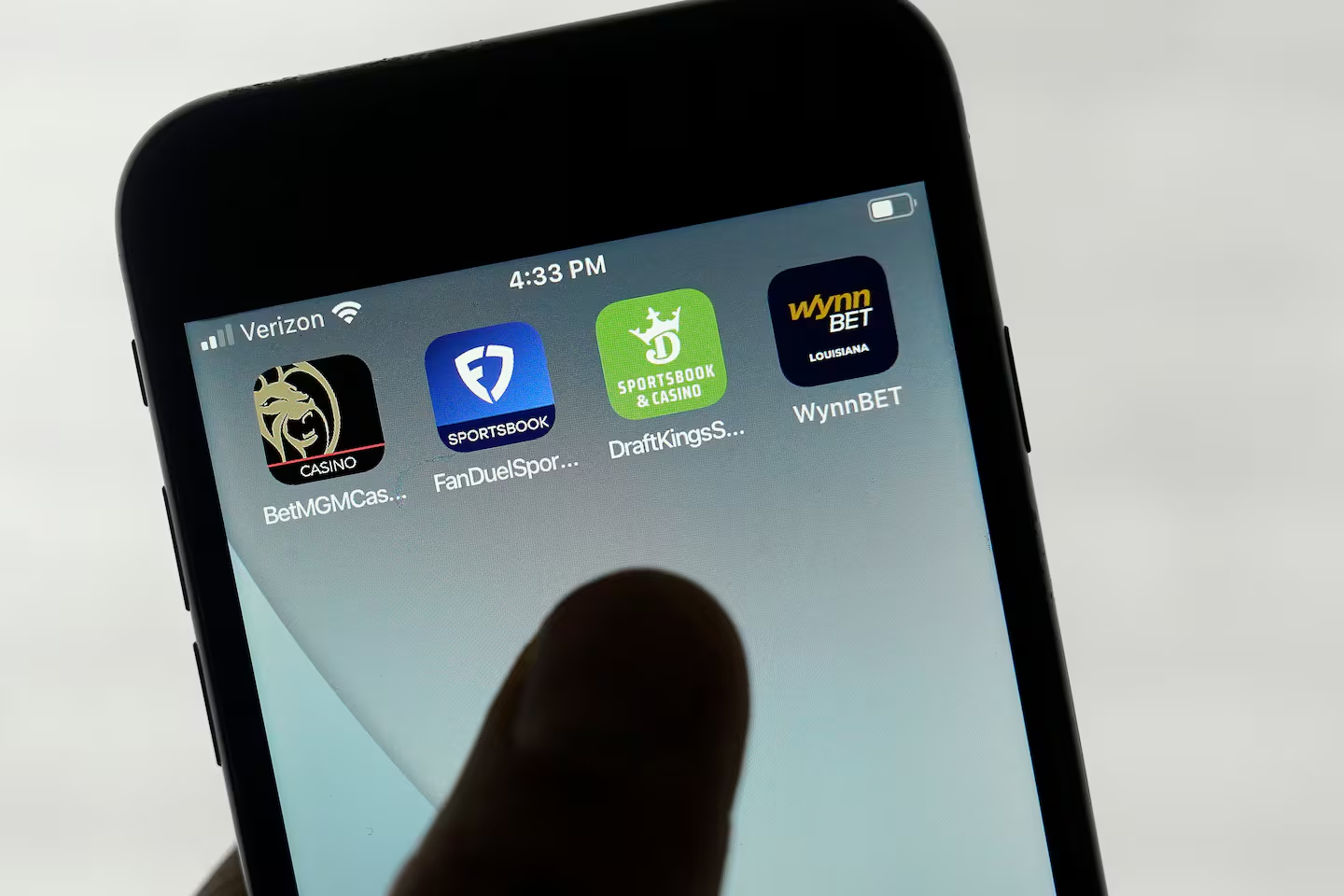
Each year, millions of Americans tune in to “March Madness,” the NCAA’s national college basketball tournament. In recent years, the tournament has also become one of the most heavily wagered sporting events in the world. As sports betting platforms partner with broadcasters to promote odds, in-game wagers, and bonus bets throughout the tournament, gambling is increasingly integrated into how American families consume sports.
Gambling is no longer confined to casinos and racetracks. Through digital platforms, betting has entered many American households and found a place in mainstream media. As access increased, young people began gambling at greater rates than previous generations. Ireland has taken significant steps to limit the risks and prevent key harms from online gambling. American policymakers should learn from these actions by:
- expanding research
- strengthening age assurance regulation and guidance
- limiting exposure to gambling advertising
- prioritizing holistic approaches when considering youth protections.
This March Madness season presents an opportunity for state and federal policymakers to learn from Ireland’s example and keep sports fun while reducing the risks of gambling, especially for minors.