
Children @ Play: Developing Skills, Community and Connection Online
As a post-pandemic world begins to emerge, we find ourselves in a drastically altered "new normal" when it comes to the online world.
As a post-pandemic world begins to emerge, we find ourselves in a drastically altered "new normal" when it comes to the online world.
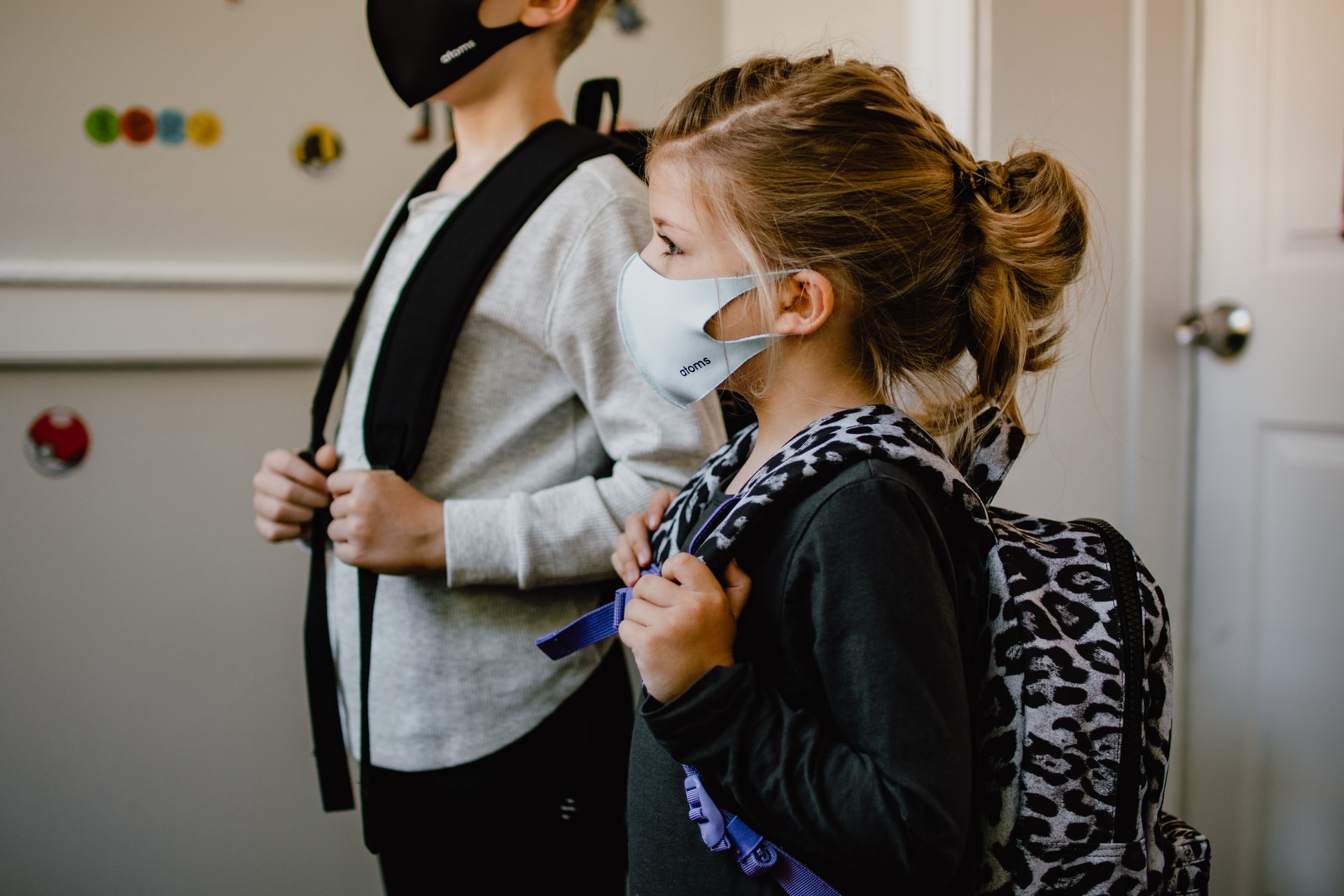
As kids and teens head back to school, families across the country and around the world are facing new challenges for this unusual school year. Students are returning to classrooms in a variety of ways, including online, hybrid, and in person — alongside anxious thoughts, worry, and apprehension.

On November 15th, FOSI hosted its live, virtual 2021 Annual Conference, Recovery & Renewal: Creating a path to a new normal. This year's event highlighted our most important insights from this past pandemic year, to ensure our new normal includes revamped best practices for ourselves, our families, and our world.
On Tuesday, February 15th, the Family Online Safety Institute and Aura, a provider of intelligent safety solutions, convened a panel discussion entitled, "Teen Relationships: The Good, The Bad, & How Parents Can Help in a Digital World." Stephen Balkam, FOSI's Founder & CEO moderated the conversation between these leading experts: Dr. David Greenfield of The Center for Internet and Technology Addiction; Erica Olsen of the National Network to End Domestic Violence; Rita Smith of DomesticShelters.org; and Ryan Toohil of Aura.

As the digital world expands into new frontiers across virtual and augmented realities, the metaverse, and more, it is imperative that the safety of young people remains paramount. Coming together in online spaces is commonplace for today's youth as they navigate complex social lives, academics, and growing up in an increasingly virtual world. On March 1st, we welcomed four youth speakers from across the US and EU for a transatlantic dialogue about the challenges and opportunities that technology brings to their lives. As part of their work on Microsoft's Council for Digital Good, panelists discussed how media literacy, digital citizenship, and personal safety impacts peers in their communities and around the globe.Â
This Congress has seen a bevy of legislation focused on regulating popular technology products, services, and platforms. Dozens of bills have been introduced regarding antitrust, data privacy, content moderation, and most importantly for this discussion, online safety.

On Thursday, 23rd June, the Family Online Safety Institute hosted the 2022 European Forum - our first in-person event since 2019. Hosted in partnership with event sponsor, Google, with additional sponsorship and support provided by TikTok and Yoti, the event aimed to capture multiple perspectives on the online safety landscape between the US, UK, and Europe.

On September 7th, the Family Online Safety Institute hosted a webinar on Emotional Intelligence and EdTech: Essentials for 21st Century Classrooms. This panel of experts was moderated by Laura Tierney of The Social Institute, and featured Jimmeka Anderson of the National Association for Media Literacy Education; Richard Culatta of the International Society for Technology in Education; and Amy Koester of the Association of Library Service to Children.
Congress has been quite productive on kids' digital safety and privacy policy this summer. Senate and House committees advanced the first major reforms to online privacy in decades, and introduced the very first federal bill that focuses specifically on online safety. The Senate Commerce Committee passed the Kids Online Safety Act (KOSA) and the Children and Teens' Online Privacy Protection Act (COPPA 2.0), while the House Energy and Commerce Committee passed the American Data Privacy and Protection Act (ADPPA). These are significant developments, but the bills still face some obstacles before becoming law.

The FOSI 2022 Annual Conference, Trust & Assurance: Online Safety in an Uncertain World took place in-person on Monday, November 14, at the InterContinental Washington D.C. - The Wharf. FOSIÂ convened the best online safety thinkers, practitioners, and experts from around the world for high-level discussions and debates, engaging networking opportunities, and a first-class exhibition of online safety technologies, products and services. Attendees had the chance to explore topics such as content moderation, privacy policies and practices, safety in the metaverse, digital wellbeing, and much more. Video recordings of the plenary sessions are available on the FOSIÂ YouTube channel.